How Thumb Braces Can Support Your Joint Health During Daily Activities
Thumb braces serve a crucial feature in preserving joint wellness throughout daily tasks. They provide security and reduce pressure, especially for those experiencing pain from conditions like arthritis. By using these braces, individuals can boost their capacity to execute tasks such as keying and grasping. Comprehending the numerous kinds and appropriate usage of thumb braces is important for maximizing their benefits. What considerations should one keep in mind when picking the right brace?

Comprehending the Anatomy of the Thumb
Although usually undervalued, the thumb plays a necessary function in hand function and general dexterity. Included two phalanges, the thumb's special structure permits a better variety of movement contrasted to other fingers. Its opposability, a key characteristic, makes it possible for the thumb to touch the suggestions of the various other fingers, facilitating gripping and pinching activities. The carpometacarpal joint, situated at the base of the thumb, is extremely mobile, allowing the thumb to turn and flex in different instructions. Ligaments and ligaments maintain the thumb, providing both support and flexibility throughout activities. In addition, the visibility of muscle mass such as the kidnapper pollicis longus and opponens pollicis improves its motion abilities. This elaborate physiological arrangement is crucial for carrying out daily tasks, from composing to grasping items, highlighting the thumb's significance in both fine electric motor skills and gross electric motor features. Comprehending this makeup can aid value the thumb's important payments to total hand health and wellness.
Usual Thumb Injuries and Pressure
The detailed makeup of the thumb makes it at risk to numerous injuries and pressures, particularly due to its constant usage in everyday activities. Usual thumb injuries include sprains, which happen when tendons are overstretched or torn, frequently arising from awkward hand motions or drops. Tendonitis is an additional prevalent issue, identified by inflammation of the tendons that control thumb motion, usually due to recurring stress.
De Quervain's tenosynovitis is a specific kind of tendonitis influencing the tendons located at the base of the thumb, often experienced by people who take part in repetitive gripping or pinching. Cracks, though less usual, can happen from straight injury, specifically in accidents or sports. These injuries can lead to pain, swelling, and lowered movement, affecting everyday tasks and overall thumb capability. Recognizing these usual thumb injuries is necessary for recognizing signs and symptoms and seeking proper treatment.
Advantages of Making Use Of Thumb Braces
Making use of thumb braces can significantly improve joint wellness and give remedy for various thumb-related injuries. These helpful tools stabilize the thumb, reducing stress throughout daily activities such as keying, texting, or gripping items. By debilitating the joint, thumb braces can alleviate pain and swelling connected with conditions like joint inflammation or tendonitis.
Furthermore, they promote correct placement, which is crucial for protecting against additional injury. Wearing a thumb support can likewise encourage remainder and healing, allowing time for recovery while maintaining performance.
Moreover, thumb dental braces often include flexible straps, making certain a custom-made fit that enhances convenience throughout usage. This adaptability makes them suitable for individuals of differing hand dimensions and activity degrees. Ultimately, including thumb supports right into one's daily routine can lead to improved joint health and wellness, boosted movement, and a reduction in the threat of intensifying existing thumb problems.
Various Types of Thumb Braces Available
When considering thumb dental braces, people can select between different types that accommodate particular needs. Rigid assistance braces deal stability and immobilization, while flexible compression sleeves provide mild support and enhanced blood circulation. Recognizing these options can assist individuals select one of the most ideal support for their joint health and wellness.
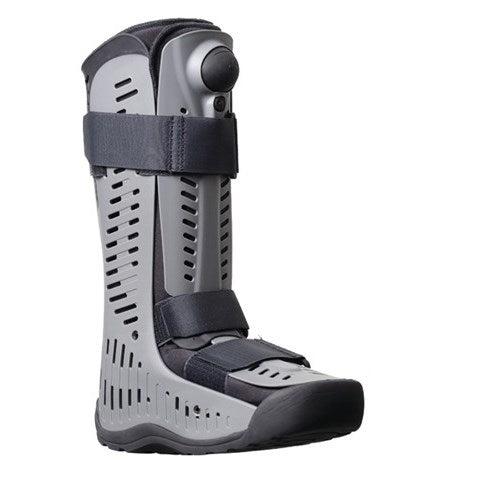
Rigid Assistance Braces
Versatile Compression Sleeves
In enhancement to stiff support braces, adaptable compression sleeves use a different technique to thumb support, highlighting comfort and movement. These sleeves are made to provide mild compression, which can help in reducing swelling and enhance circulation in the thumb joint. Made from flexible materials, they enable a full range of motion, making them perfect for people that participate in daily tasks requiring mastery. Versatile compression sleeves been available in various dimensions and designs, satisfying different degrees of support and specific preferences. They are frequently light-weight and easy to use, making them appropriate for prolonged use throughout the day. Generally, these sleeves offer as a practical alternative for those looking for alleviation without sacrificing functionality.
Exactly how to Choose the Right Thumb Brace for Your Requirements
Selecting the best thumb brace includes numerous vital factors to consider. People need to evaluate their certain condition, ensure the dimension and fit are suitable, and review the material and style for comfort and assistance. These factors play an important duty in locating a brace that properly satisfies their demands.
Consider Your Condition
When choosing a thumb support, it is necessary to consider the particular condition influencing the thumb, as various ailments might require unique levels of assistance and immobilization. As an example, individuals dealing with joint inflammation may gain from braces that supply compression and heat, reducing discomfort and tightness. On the other hand, those recouping from a strain could require a support that offers rigid support to restrict movement and promote recovery. Repetitive strain injury patients may seek dental braces made to maintain the wrist while enabling some thumb capability. Furthermore, problems like trigger finger may require braces that minimize stress in the thumb ligaments. Eventually, recognizing the specific demands determined by one's problem will guide individuals to choose the most effective thumb support for their unique scenario.
Dimension and Fit
Picking the suitable dimension and fit for a thumb brace is essential for accomplishing ideal assistance and convenience. Individuals must start by measuring their thumb area and size to determine the right dimension according to the manufacturer's sizing graph. A correctly fitted support should snugly frame the thumb without causing constriction or pain. It is important to review individual activities and the degree of movement called for; some may look at these guys prefer an extra flexible layout, while others may need a firmer assistance. Trying on numerous designs can assist recognize which support really feels best throughout typical day-to-day tasks. In addition, making certain that the brace suits any type of swelling or adjustments in thumb size throughout the day can better improve its effectiveness and customer contentment.
Material and Style
Although the choice of material and layout significantly influences the effectiveness of a thumb support, individuals have to consider their particular requirements and choices. Thumb braces are generally made from products such as neoprene, nylon, or breathable fabrics, each offering differing levels of support and convenience. Neoprene gives heat and compression, while breathable materials enhance airflow, making them ideal for long term wear. The layout is equally essential; some braces include inflexible assistances for immobilization, while others enable better flexibility throughout movement. Additionally, adjustable bands can improve fit and convenience, fitting different thumb dimensions and shapes. Individuals must evaluate their everyday tasks and the degree of support needed to choose the most suitable thumb support for maximum joint wellness.
Tips for Incorporating Thumb Braces Into Your Daily Routine
Incorporating thumb supports right into everyday routines can substantially enhance joint health and comfort. To begin, people must determine specific tasks that stress the thumb, such as keying or gripping tools, and wear the support throughout these jobs. It browse around this web-site is likewise beneficial to create reminders for routine use, particularly throughout repeated movements.
Changing the fit of the brace is crucial; it needs to be tight yet comfortable to guarantee assistance without limiting flow. Users may additionally think about wearing the support during remainder periods to ease pain.
Furthermore, integrating thumb brace usage with gentle extending and strengthening workouts can make the most of advantages. Involving in ergonomic methods, such as changing workstation elevation, more supports joint health. Keeping an additional support useful can make specific that support is always offered, permitting for consistent usage throughout numerous daily tasks.
Often Asked Inquiries
Can Thumb Braces Be Used Overnight for Added Assistance?
Thumb dental braces can be put on over night for additional support, supplying stability and reducing strain throughout remainder. Individuals need to consult a healthcare specialist to assure appropriate fit and prevent potential discomfort or complications while sleeping.
Exist Any Kind Of Dangers Connected With Extended Thumb Brace Usage?
Long term thumb support usage can lead to muscular tissue degeneration, joint tightness, or dependency on the brace for support. It's crucial to stabilize brace use with exercises to keep toughness and versatility in the thumb.
How Typically Should I Change My Thumb Brace?
Thumb braces need to commonly be changed every 3 to six months, depending upon use and wear (brace). Normal assessments for indicators of wear and tear are crucial to ensure ideal assistance and comfort for the individual's joint health
Can Thumb Braces Aid With Arthritis Discomfort Alleviation?
Thumb braces can give considerable alleviation for arthritis discomfort by supporting the joint, lowering strain throughout movement, and limiting too much activity. This support helps relieve discomfort and improves total hand function for individuals experiencing joint inflammation signs.
Is It Safe to Make Use Of a Thumb Brace During Sports Activities?
Making use of a thumb brace during sporting activities activities can be safe, supplied it fits appropriately and permits needed movement. Nevertheless, people should speak with a medical care specialist to assure it meets their particular requirements and conditions.
The carpometacarpal joint, situated at the base of the thumb, is very mobile, permitting the thumb to rotate and flex in various directions. Various thumb braces are offered, stiff support braces stand out for their ability to supply significant stability and immobilization to the thumb. In enhancement to rigid support dental braces, versatile compression sleeves offer an alternative technique to thumb support, emphasizing comfort and movement. When choosing a thumb support, it is crucial to ponder the particular condition influencing the thumb, as different conditions might call for unique levels of support and immobilization (brace). Long term thumb support use can lead to muscular tissue atrophy, joint rigidity, or reliance on the support for support
Comments on “Thumb Brace overview shared to support gentle and consistent thumb control”